

 Google Ads, formerly known as Google AdWords, is an online advertising platform created by Google that allows businesses and advertisers to display ads on Google’s search engine results pages (SERPs), as well as on other Google properties, such as YouTube and the Google Display Network.
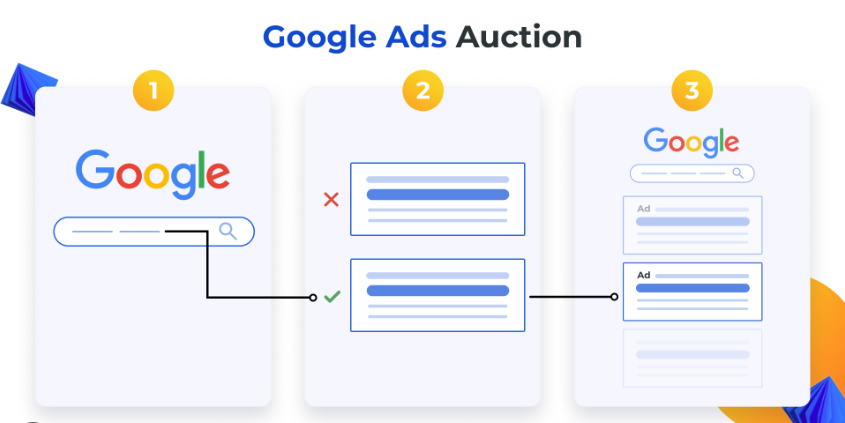
Advertisers create ads in Google Ads, choose the keywords they want to target, and set bids for each keyword. When a user searches for a keyword that an advertiser is targeting, Google uses a complex algorithm to determine which ads to display, based on various factors such as the ad’s relevance, bid, and quality score.
Google Ads offers various ad formats, including text, display, video, and shopping ads, each with their own unique benefits and targeting options. Advertisers can also use advanced targeting options, such as location, device, language, and audience targeting, to reach specific audiences and improve ad performance.
Google Ads is a pay-per-click (PPC) advertising platform, which means that advertisers only pay when someone clicks on their ad. This makes it a cost-effective advertising solution, as advertisers can set their own budgets and only pay for the clicks they receive.
Google Ads also offers a variety of performance metrics and reporting tools, allowing advertisers to track the performance of their ads, measure their ROI, and make data-driven decisions to optimize their campaigns for maximum results.

- Search Network Campaigns: Search Network campaigns are the most common type of Google Ads campaign. These campaigns display text ads to users who are actively searching for specific keywords on Google. Advertisers bid on the keywords they want to target, and their ads are displayed above or below the organic search results. Advertisers only pay when users click on their ads.
- Display Network Campaigns: Display Network campaigns allow advertisers to display visual ads on a network of sites across the internet, including Google’s partner sites. These ads can be in the form of banners, videos, and other visual formats. Advertisers can target specific audiences based on demographics, interests, and behaviors. Advertisers can also target specific websites or web pages where they want their ads to appear.
- Video Campaigns: Video campaigns allow advertisers to display ads on YouTube and other video partner sites. These ads can be in the form of in-stream ads (ads that play before or during a video), video discovery ads (ads that appear alongside related videos), and bumper ads (short ads that are less than 6 seconds long). Advertisers can target specific audiences based on demographics, interests, and behaviors.
- Shopping Campaigns: Shopping campaigns allow advertisers to display product ads on Google’s search results pages and Google Shopping. These ads show images of products, along with the product’s price and description. Advertisers only pay when users click on their ads. Advertisers can target specific products or product categories, and they can also set bids for specific products.
- App Campaigns: App campaigns allow advertisers to promote their mobile apps across Google’s network of properties, including Google Search, Google Play, YouTube, and the Display Network. Advertisers can create text, image, and video ads, and Google uses machine learning to optimize the ads for maximum performance. Advertisers can target specific audiences based on demographics, interests, and behaviors.

Each of these campaign models has its own unique benefits and targeting options, and they can be used together to create a comprehensive marketing strategy. As an executive campaign manager, it’s important to understand these campaign models and how they can be used to achieve your marketing goals.
Dynamic Search Ads (DSA) are a type of Google Ads campaign that automatically creates and displays ads based on the content of a website. Instead of targeting specific keywords, DSA uses Google’s crawling technology to scan the advertiser’s website and match the ad to a relevant search query.
When a user types in a search query that matches the content on the advertiser’s website, Google will dynamically generate an ad headline based on the landing page’s content, and display it alongside a dynamically generated ad description. This allows advertisers to create highly relevant ads that can capture search queries that they may not have thought to target otherwise.
DSA campaigns are ideal for advertisers with large or constantly changing inventories, as they can help save time and effort in managing keyword lists. Additionally, they can help capture long-tail search queries that may be too specific or too low-volume to target with traditional keyword targeting methods.
However, it’s important to monitor DSA campaigns closely and regularly review the search terms report to ensure that the ads are being shown to relevant search queries and to add negative keywords as needed. By doing so, advertisers can improve the performance of their DSA campaigns and avoid showing ads to irrelevant searches.
Dynamic Retargeting Ads are a type of Google Ads campaign that targets users who have previously visited an advertiser’s website or app. These ads are highly personalized, as they display products or services that the user has previously viewed or shown interest in.
To create dynamic retargeting ads, advertisers need to set up a product feed in Google Merchant Center, which includes information about the products or services they want to advertise. Google then uses this information to generate ads dynamically, based on the user’s browsing behavior.
Dynamic retargeting ads can be displayed across various Google properties, including the Display Network, YouTube, and Gmail. They can also be customized based on the user’s device, location, and other targeting parameters.
Dynamic retargeting ads are a powerful tool for advertisers to drive conversions and increase return on investment (ROI) by showing highly relevant ads to users who have already shown interest in their products or services. They can also help increase brand awareness and drive repeat purchases.
However, it’s important to ensure that the product feed is accurate and up-to-date, and to monitor the campaign’s performance closely to optimize bids, ad creative, and targeting parameters. By doing so, advertisers can improve the effectiveness of their dynamic retargeting campaigns and maximize their ROI.
Pros:
- Highly targeted: Google Ads allows for precise targeting based on factors such as keywords, location, device, demographics, and more, ensuring that ads are shown to the most relevant audience.
- Cost-effective: Google Ads operates on a pay-per-click (PPC) model, which means that advertisers only pay when someone clicks on their ad, making it a cost-effective advertising solution.
- High reach: Google is the most widely used search engine, and Google Ads also offers the ability to display ads on other Google properties, such as YouTube and the Google Display Network, allowing for a wide reach.
- Performance metrics: Google Ads offers a variety of performance metrics and reporting tools, allowing advertisers to track the performance of their ads, measure their ROI, and make data-driven decisions to optimize their campaigns for maximum results.
- Flexibility: Google Ads offers a variety of ad formats and targeting options, making it a flexible advertising solution for businesses of all sizes and industries.
Cons:
- Competition: As Google Ads is a popular advertising platform, there can be a high level of competition for certain keywords and ad placements, which can drive up bidding costs.
- Learning curve: Setting up and managing Google Ads campaigns can be complex, and there can be a learning curve for businesses new to the platform.
- Ad fatigue: Users may become desensitized to ads shown repeatedly, leading to ad fatigue and decreased ad performance over time.
- Ad blockers: Some users may use ad blockers to prevent ads from being displayed, limiting ad reach and effectiveness.
- Click fraud: Google Ads may be susceptible to click fraud, where competitors or bots intentionally click on ads to drain the advertiser’s budget.
Overall, while there are some potential drawbacks to using Google Ads, the benefits in terms of highly targeted advertising, cost-effectiveness, and performance metrics make it a valuable advertising solution for many businesses.


